
Discover the World of Fortuna
Experience the innovation behind Fortuna World Holdings through our exclusive video content on Vimeo. From in-depth looks at our groundbreaking projects to clear explanations of asset tokenization and the future of digital ownership, our videos bring you closer to how we’re reshaping global investment. Click below to explore our vision, meet the people driving it, and see how Fortuna is building the bridge between real assets and the blockchain.
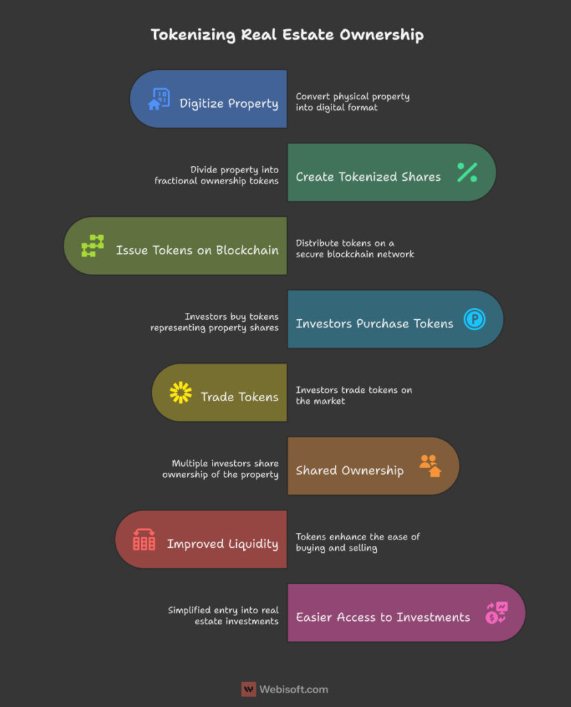
Is each property "digitized" and valued and then a token value is issued or are we digitizing the FUND?
The Future of Real Value At Fortuna World Holdings, we harness the power of asset tokenization to transform traditional real estate and business ownership into a modern, liquid, and accessible digital economy. By converting each property and business asset into secure, blockchain-based tokens, we unlock fractional ownership, global liquidity, and transparent value tracking. This innovative approach allows us to operate as a DEVELOPMENT FUND POWERED BY TOKENIZED ASSETS where every project contributes to a continuously expanding ecosystem. As we build and acquire premium real estate and profitable businesses, each tokenized addition strengthens the portfolio’s overall value—creating a powerful cycle of growth, reinvestment, and wealth creation for our community of investors and partners.

Real-World Asset Tokenization
Real estate pays for the Bitcoin. Cash flow from real estate is consistently invested in the worlds first pristine money, Bitcoin. The 16 year track record of this digital gold speaks for itself. Fortuna will Dollar Cost Average quarterly into building the FortunaBitcoin treasury.

-

Legal and Technical Foundations
Every tokenized real estate deal begins with a legal entity—often a Special Purpose Vehicle (SPV) or trust—that owns the actual property. Rather than issuing traditional shares, this entity creates digital tokens that represent ownership rights or economic interests in the property. These tokens are recorded on a blockchain and can be traded or transferred under specific terms.
Smart contracts play a central role in managing how these tokens behave. Built primarily on Ethereum-compatible standards like ERC-20 or ERC-1400, smart contracts encode rules such as who can hold the tokens, how dividends are distributed, and what happens in the event of a resale. For example, ERC-1400 is specifically designed for security tokens, with features like forced transfers, lock-up periods, and identity restrictions, making it a better fit for regulatory compliance.
-

KYC, AML, and Regulatory Compliance
Because tokenized real estate is generally classified as a security, regulatory compliance is a core component of any offering. This starts with Know Your Customer (KYC) and Anti-Money Laundering (AML) processes. All investors must verify their identity before purchasing tokens. This is typically handled through integrated identity verification providers, who screen buyers before granting them access to the token sale.
Jurisdiction also matters. In the United States, offerings often comply with SEC regulations through exemptions such as Regulation D or Regulation S. In the European Union, similar frameworks like MiFID II and the Prospectus Regulation apply. These legal wrappers dictate who can invest (e.g., accredited vs. retail investors), how much they can invest, and how the asset must be reported.
-

Custody and Investor Onboarding
Tokens can be stored in two ways: non-custodial (where the investor holds their own private keys) or custodial (where a third-party service holds the tokens on behalf of investors). While non-custodial solutions offer more control, they also pose risks related to lost keys or poor user management. Custodial solutions are more user-friendly and may be required in jurisdictions that treat tokenized securities as regulated assets.
Our investor onboarding platforms bundle wallet setup, KYC, and token purchasing into one streamlined interface. This reduces friction and helps ensure compliance across multiple jurisdictions. Once onboarded, investors can view their holdings, receive automated payouts, and track performance—often without needing deep blockchain expertise.
The rise of token marketplaces is also expanding post-sale liquidity. These platforms allow token holders to trade their real estate-backed tokens with other verified users, bringing a level of flexibility that was rarely possible with traditional property ownership.

The Fortuna Four‑Pillar Model
A disciplined strategy that blends stability, growth, innovation, and compounding.
Most investors either chase short‑term growth and lose stability, or focus only on safety and miss upside. Fortuna’s model was designed to do both

Pillar One
Real Estate Stability
Stabilized assets in strong markets
Predictable cash flow from multifamily, retail, and mixed‑use
Preservation of wealth across generations
“Don’t wait to buy real estate. Buy real estate and wait.” – Will Rogers

Pillar Two
Development Equity
Acquire undervalued land in growth markets
Navigate zoning, entitlement, and annexation
Build multifamily, retail, and mixed‑use projects

Pillar Three
Bitcoin Reserve
Bitcoin is capped at 21 million
Non‑correlated growth alongside real estate
Treasury reserve for asymmetric upside
“Bitcoin is a swarm of cyber hornets serving the goddess of wisdom, feeding on the fire of truth.” – Michael Saylor

Pillar Four
Compounding Reinvestment
Reinvest profits rather than distribute prematurely
Accelerates exponential growth
Creates enduring legacies